In recent years, the demand for electric vehicle (EV) charging infrastructures has dramatically increased. A study by the International Energy Agency revealed that global EV sales reached over 6.5 million units in 2021, highlighting the necessity for robust charging solutions. For commercial buildings, optimizing DC charging solutions is essential to meet this rising demand. The focus is on how to optimize DC charging for commercial buildings.
Effective charging infrastructure not only maximizes efficiency but also enhances user experience. According to a report from the U.S. Department of Energy, fast DC chargers can charge EVs up to 80% in as little as 30 minutes. However, many commercial properties lack tailored charging systems. The challenge lies in incorporating these solutions without disrupting daily operations or requiring significant upfront investments.
Businesses must consider energy management strategies and available space. Poor planning can lead to underutilized stations or inadequate power supply. As the focus on sustainability increases, many buildings will need to explore innovative solutions. Each effort to optimize DC charging should partner with industry experts, ensuring reliability and effectiveness for future developments.
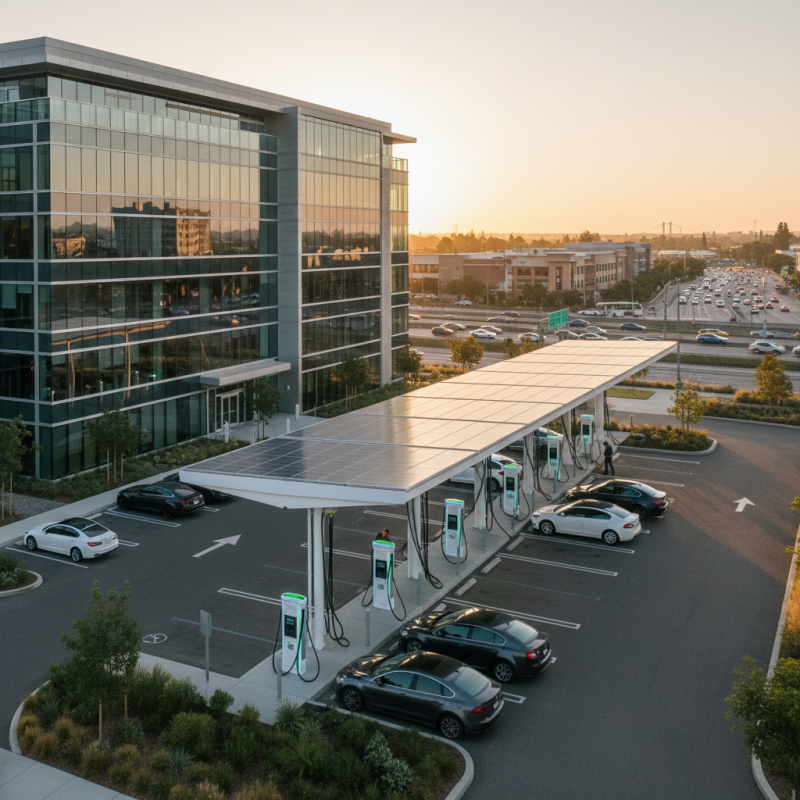
The rise of electric vehicles (EVs) shifts focus to efficient charging infrastructure. DC fast charging solutions are becoming essential in commercial buildings. These solutions can significantly reduce charging time, allowing businesses to cater to more customers and employees. With rapid advancements, understanding how these systems integrate within buildings is vital.
The importance of DC charging cannot be overstated. It offers a practical solution for businesses aiming to lead in sustainability. Companies can showcase their commitment to green practices by installing these charging stations. However, there are challenges, such as installation costs and energy management. Not all commercial spaces may have the capacity to support high-speed charging.
Evaluating a building's energy infrastructure is crucial before implementation. Some facilities may lack adequate electrical systems. This requires thoughtful planning and investment. While DC charging appears straightforward, complexities can arise. Businesses must assess their long-term goals. This will ensure that the charging solutions align with their operational needs. Balancing efficiency with practicality is key.
Effective DC charging infrastructure is essential for commercial buildings today. Key components include location, capacity, and user experience. Placing chargers near entrances maximizes convenience. Adequate electrical capacity is crucial to accommodate multiple vehicles. However, many buildings lack sufficient power supply, leading to delays in installation.
User experience should not be overlooked. Clear signage and easy payment methods enhance satisfaction. Some buildings struggle with outdated technology, causing frustration. It's vital to seek reliable charging solutions that ensure accessibility and efficiency. Training staff on how to operate the chargers is equally important.
Considering future scalability is also important. Infrastructure should adapt as EV adoption increases. Building owners often face the challenge of balancing current needs with future growth. Investing in smart technology can help monitor usage patterns and optimize energy consumption. Engaging with local energy providers may reveal additional opportunities for support and incentives.
As electric vehicles gain traction, the demand for DC fast charging solutions in commercial buildings grows. Evaluating the infrastructure needs is essential. Commercial spaces must adapt quickly to support electric vehicle charging. This transition involves assessing power availability, space constraints, and installation costs.
Businesses should consider their energy supply. Upgrading electrical systems may be necessary. Before installation, it's crucial to evaluate the peak energy demand. Proper planning mitigates risks and avoids costly fixes later. Many buildings lack adequate power distribution for fast chargers.
**Tip:** Engage with electrical engineers early in the process. They can provide insights on load calculations and necessary upgrades.
Space allocation is also vital. Charger placement should facilitate easy access. Avoid congested areas to prevent traffic issues. Think about future expansion as well. A scalable approach saves time and money.
**Tip:** Assess parking layouts to maximize efficiency. This can enhance user experience and streamline operations.
Finally, consider the ongoing maintenance of the charging infrastructure. Plan for regular inspections and updates to keep equipment functional. A proactive maintenance strategy ensures reliability for users. Focus on creating an inviting environment for electric vehicle owners, which can drive more business to your facility.
| Charging Station Type | Power Output (kW) | Estimated Charging Time (Minutes) | Installation Cost (USD) | Monthly Maintenance Cost (USD) |
|---|---|---|---|---|
| Level 1 | 1.4 | 240 | 500 | 30 |
| Level 2 | 7.2 | 60 | 1000 | 50 |
| DC Fast Charger | 50 | 30 | 15000 | 200 |
| Ultra Fast Charger | 150 | 15 | 30000 | 300 |
DC charging solutions for commercial buildings represent a significant step towards energy efficiency. However, to truly capitalize on their potential, integrating smart technology is crucial. Smart technology enhances the management and operation of DC charging systems, making them more efficient and user-friendly.
By implementing real-time monitoring systems, building operators can track energy usage and charging patterns. This data helps identify peak usage times, allowing for demand response strategies. For instance, adjusting charging rates during low-demand hours can reduce costs and optimize energy consumption. Additionally, user-friendly interfaces can empower employees and visitors to participate in energy management.
Despite these advantages, challenges remain. Not all users are familiar with smart technology, leading to underutilization. Moreover, integration with existing building systems can be complex. Continuous training and effective communication strategies are essential to overcome these hurdles. As commercial buildings evolve, re-evaluating these systems regularly ensures they adapt to changing needs.
DC charging solutions have become essential for commercial buildings. Several case studies highlight successful implementations that benefit both businesses and their customers.
One interesting case involved a large office complex. The building installed multiple DC fast chargers in an accessible area. This setup increased foot traffic and encouraged nearby businesses to consider electric vehicle (EV) options. However, some users reported longer wait times during peak hours, showing the need for better scheduling and resource allocation.
Tips: Ensure your charging stations are strategically placed. Consider traffic patterns to maximize their usage. Also, gather user feedback regularly. This helps identify any pitfalls in the charging experience.
Another example is a shopping center that paired DC chargers with retail promotions. Customers received discounts during charging sessions. The strategy noted increased customer retention but faced issues with maintaining charger functionality. This raised questions about ongoing maintenance practices and reliable service for users.
Tips: Implement regular maintenance check-ups for your charging stations. This helps keep them operational and provides a good customer experience. Communicate transparently about availability and any potential downtimes.
: Location, capacity, and user experience are essential components. Chargers should be near entrances for convenience.
Adequate capacity allows multiple vehicles to charge simultaneously. Many buildings struggle with insufficient power supply.
Clear signage and easy payment methods enhance user satisfaction. Outdated technology can frustrate users.
Infrastructure must adapt to increasing EV adoption. Balancing current needs with future growth is a challenge.
Understanding power availability, space constraints, and installation costs ensures readiness for increased demand.
They assist with load calculations and necessary upgrades, helping to mitigate risks and avoid costly fixes.
Real-time monitoring tracks energy usage and charging patterns. It helps optimize costs and energy consumption.
User unfamiliarity and complex integration with existing systems can hinder effectiveness. Continuous training is necessary.
Regular inspections and updates are essential. A proactive maintenance strategy ensures reliability for users.
Optimizing DC charging solutions for commercial buildings is essential for supporting the growing demand for electric vehicles and enhancing sustainability efforts. This involves understanding the unique importance of DC charging, which provides faster charging times and improved energy efficiency. Effective infrastructure requires key components such as strategically located chargers, proper electrical capacity, and user-friendly interfaces.
To successfully implement these solutions, commercial entities must evaluate their specific infrastructure needs, considering the volume of expected traffic and workload. Incorporating smart technology is crucial for efficient management of DC charging operations, allowing for real-time monitoring and optimizing energy usage. Case studies in various commercial environments demonstrate the effective application of these principles, showcasing how to optimize DC charging for commercial buildings to meet both user needs and sustainability goals effectively.

LA Charger