As the world transitions to greener alternatives, the role of DC chargers becomes pivotal. Understanding how DC chargers impact sustainable transportation adoption is essential for promoting electric vehicle (EV) growth. James H. Caldwell, a leading expert in electric mobility, emphasizes, “Fast charging infrastructure is the backbone of EV adoption.” His insights highlight the essential nature of robust charging networks.
DC chargers offer rapid power delivery, reducing charging times significantly. This convenience encourages consumers to switch to electric vehicles. Increased accessibility to fast chargers directly correlates with higher rates of EV adoption. However, challenges remain. Infrastructure is inconsistent, and not all regions have sufficient charging facilities. This discrepancy could hinder overall growth.
Moreover, the market must address the environmental impact of charger production and energy sources. Sustainable manufacturing practices for chargers are crucial. Industry leaders must also ensure that the electricity used is from renewable sources. Only then can we embrace true sustainability in transportation.
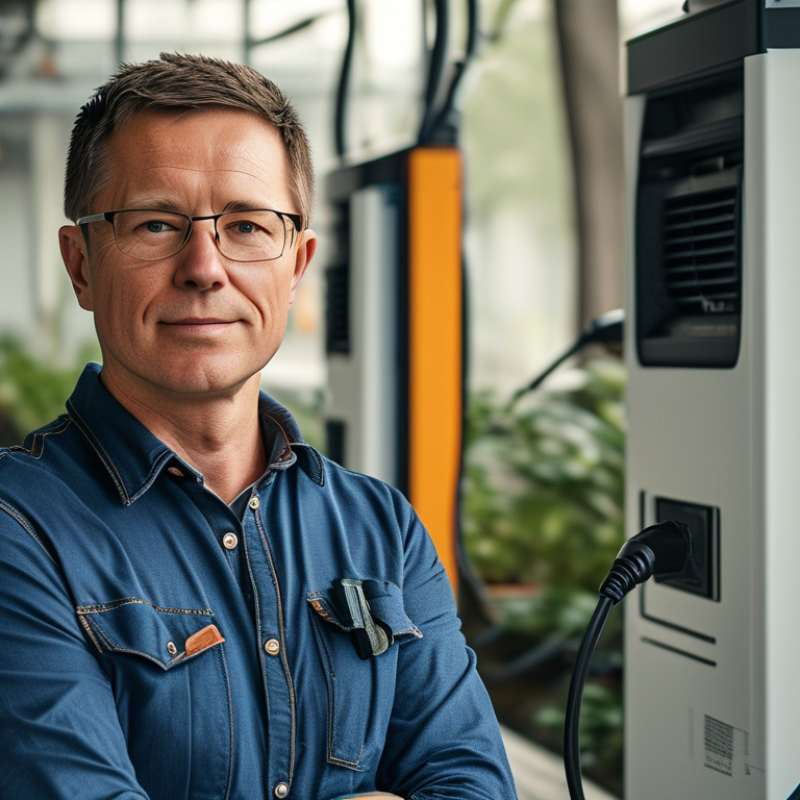
The development of DC charging technology in China has accelerated rapidly. As of 2023, the country leads the world in its deployment of high-power DC chargers. Reports indicate that there are over 300,000 public charging points nationwide. This booming infrastructure supports the increasing demand for electric vehicles (EVs), with annual sales surpassing 6 million units.
DC fast chargers are pivotal in reducing charging time, making EVs more attractive to consumers. They can deliver up to 350 kW of power, enabling a full charge in under 30 minutes. However, there are challenges. The availability of chargers does not always meet demand, particularly in urban areas. A study found that 45% of EV drivers reported difficulties in locating available charging stations, highlighting the need for improved accessibility.
Quality standards remain a concern. While many chargers are efficient, some do not meet safety regulations. This inconsistency can lead to potential safety risks for consumers. Hence, enhancing industry standards is essential for reliability and trust in DC charging technology. Continued investment in research and innovation will be crucial for mitigating these issues and promoting sustainable transportation in China.
The growing demand for electric vehicles (EVs) in China is fueling the development of DC charging infrastructure. Key players in the DC charger market are crucial to this transition toward sustainable transportation. According to a report by the China Battery Industry Association, the domestic DC charger market is projected to grow at a CAGR of 30% through 2025. This places significant emphasis on the need for reliable and efficient charging options.
Significant investments are being made in the deployment of fast charging stations. By 2022, there were over 800,000 public charging stations in China, with approximately 400,000 being DC fast chargers. This surge highlights an urgent requirement for standardized and user-friendly charging solutions. However, the rapid expansion has also raised questions about charger compatibility and grid stability, which are issues that need to be addressed by industry stakeholders.
The competitive landscape features various firms focusing on innovation and collaboration. Despite these advancements, there are concerns about the sustainability of sourcing materials for chargers and batteries. Efforts to ensure eco-friendly production processes must become a priority. As the market evolves, continued examination of these challenges will clarify the pathway towards a fully sustainable EV ecosystem in China.
As the world transitions towards a more sustainable transportation landscape, DC fast chargers are emerging as vital players. These chargers enable electric vehicles to power up quickly, making them ideal for cities and highways. They significantly reduce downtime for drivers, which encourages the adoption of electric vehicles. This shift is crucial as society seeks to lessen its carbon footprint.
Innovative technologies are powering these chargers. They can charge vehicles in 30 minutes or less, creating a feasible option for long-range travel. However, the infrastructure development for these stations often struggles to keep pace with growing demand. Many areas lack adequate access to fast chargers, which can hinder electric vehicle proliferation. This gap signals a need for further investment and strategic planning.
Incorporating renewable energy sources into DC charging stations can enhance sustainability. However, there are challenges with storage and distribution. Managing energy loads efficiently is crucial to ensure these stations can operate seamlessly during peak times. The industry has room for improvement, particularly in smart technology integration to optimize energy use and manage costs.
The rise of DC chargers plays a crucial role in electric vehicle (EV) adoption. These fast chargers significantly reduce charging time, making EVs more user-friendly. They can charge a vehicle to 80% in approximately 30 minutes, a fact that encourages drivers to switch to electric. Accessibility to fast charging stations is vital for boosting confidence among potential EV owners.
However, not all locations have adequate charger availability. Urban areas tend to have more options than rural ones. This gap can lead to “charging deserts,” where users may hesitate to transition to electric vehicles. Developing charging infrastructure in under-served regions is crucial. Ensuring convenient access can catalyze broader EV adoption.
**Tips:** Consider the location of chargers when purchasing an EV. Look for areas with abundant fast charging options. This can ease your transition and reduce range anxiety. Frequent updates on charging station availability can also guide your choices. Keeping informed can empower your journey toward a sustainable transportation future.
The landscape of DC charging infrastructure in China is rapidly evolving. As electric vehicles (EVs) gain traction, the demand for efficient and widespread charging solutions is critical. According to a report by the China Electric Vehicle Charging Infrastructure Promotion Alliance, the number of public DC fast charging stations is projected to exceed 1.2 million by 2025. This growth supports the government's goal of reaching carbon neutrality by 2060.
One significant trend is the push for ultra-fast chargers. These can deliver up to 350 kW, drastically reducing charging time. The convenience of quick charging will become essential as more consumers adopt EVs. However, infrastructure investment is uneven across cities, with urban areas benefiting more than rural regions. This disparity raises concerns about equal access to charging facilities.
Tips: Consider the location when choosing charging stations. Urban centers may have more options, but rural charging could lag behind. Also, keep an eye on the developments in battery technology; advancements will impact charging speeds and efficiency. Sustainable practices will shape future infrastructure. Effective planning and investment remain crucial for the overall success of DC charging systems in China.
: DC charging technology in China has rapidly advanced. There are over 300,000 public charging points available.
DC fast chargers can deliver up to 350 kW, allowing a full charge in under 30 minutes.
Many EV drivers struggle to find available charging stations, especially in urban areas.
No, some chargers do not meet safety regulations, posing risks. Quality standards need improvement.
The number of public DC fast charging stations may exceed 1.2 million by 2025, supporting carbon neutrality goals.
Urban areas often have better installations compared to rural regions, creating access disparities.
Location is important. Urban centers often offer more options than rural areas.
Battery technology impacts charging speeds and efficiency. Watch for ongoing developments.
Sustainable practices will shape future infrastructure and improve environmental impacts.
Yes, continued investment in research and innovation is crucial for addressing current issues.
The article explores the significant role of DC charging technology in advancing sustainable transportation in China. It starts with an overview of the technology, emphasizing its efficiency and quick charging capabilities, which are crucial for the growing electric vehicle (EV) market. The discussion then shifts to key players within the DC charger market, highlighting their contributions to enhancing infrastructure and charging solutions.
Furthermore, the article identifies the top 10 DC chargers that are instrumental in transforming sustainable transportation. It analyzes how DC chargers impact sustainable transportation adoption by making EVs more accessible and convenient for everyday users. Finally, the article delves into future trends in DC charging infrastructure, predicting advancements that will further support the integration of electric vehicles into mainstream transportation, and emphasizing the importance of continued innovation in this sector.

LA Charger